
Case Study: Successful Virtual Caregiver Consultations in Rochester


Introduction to Virtual Caregiver Consultations
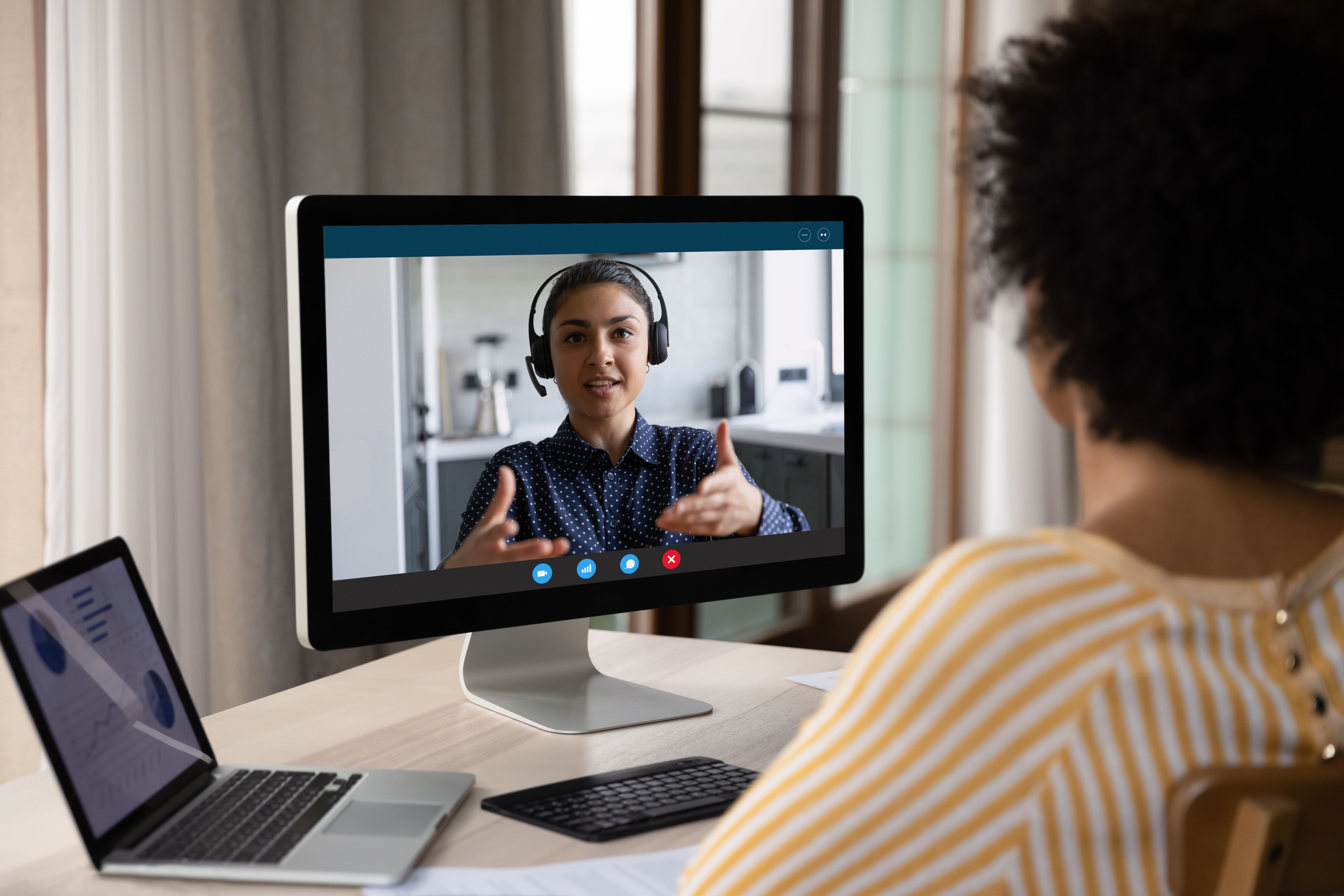
In recent years, virtual consultations have transformed the healthcare landscape, providing unprecedented access and convenience. In Rochester, a unique case study highlights the success of virtual caregiver consultations, demonstrating their impact on patient care and caregiver support. This innovative approach has allowed caregivers to connect with healthcare professionals remotely, ensuring continuous care and guidance.
The Need for Virtual Consultations
The demand for virtual caregiver consultations arose from the need to bridge gaps in traditional caregiving. Many caregivers in Rochester faced challenges such as limited mobility, time constraints, and geographical barriers. Virtual consultations offered a solution by providing easy access to medical professionals without the need for physical travel.
With the growing elderly population and increasing chronic health conditions, these consultations have become an essential service. They allow caregivers to receive timely advice, manage medications, and understand the medical needs of those they care for.
Implementation and Technology
The implementation of virtual consultations in Rochester involved integrating user-friendly technology that catered to both caregivers and healthcare providers. Platforms were designed to be intuitive, with features like video conferencing, secure messaging, and document sharing.
Training sessions were conducted to ensure that caregivers could navigate the technology effectively. This also included educating healthcare providers on how to deliver quality care remotely, maintaining the same level of empathy and professionalism as in-person visits.

Success Stories from Rochester
Several success stories have emerged from the implementation of virtual caregiver consultations in Rochester. For instance, caregivers have reported increased confidence in managing complex health conditions. They have access to specialized advice that would otherwise require multiple visits to healthcare facilities.
One caregiver shared how virtual consultations helped her manage her father's diabetes more effectively. The ability to consult with a nutritionist and a diabetes specialist in real-time allowed for better management of his diet and medication.
Benefits Beyond Convenience
While convenience is a significant advantage, virtual consultations offer benefits that extend beyond that. They provide a personalized care experience, allowing caregivers to have one-on-one interactions with specialists. This approach fosters a collaborative environment, where caregivers feel supported and empowered.
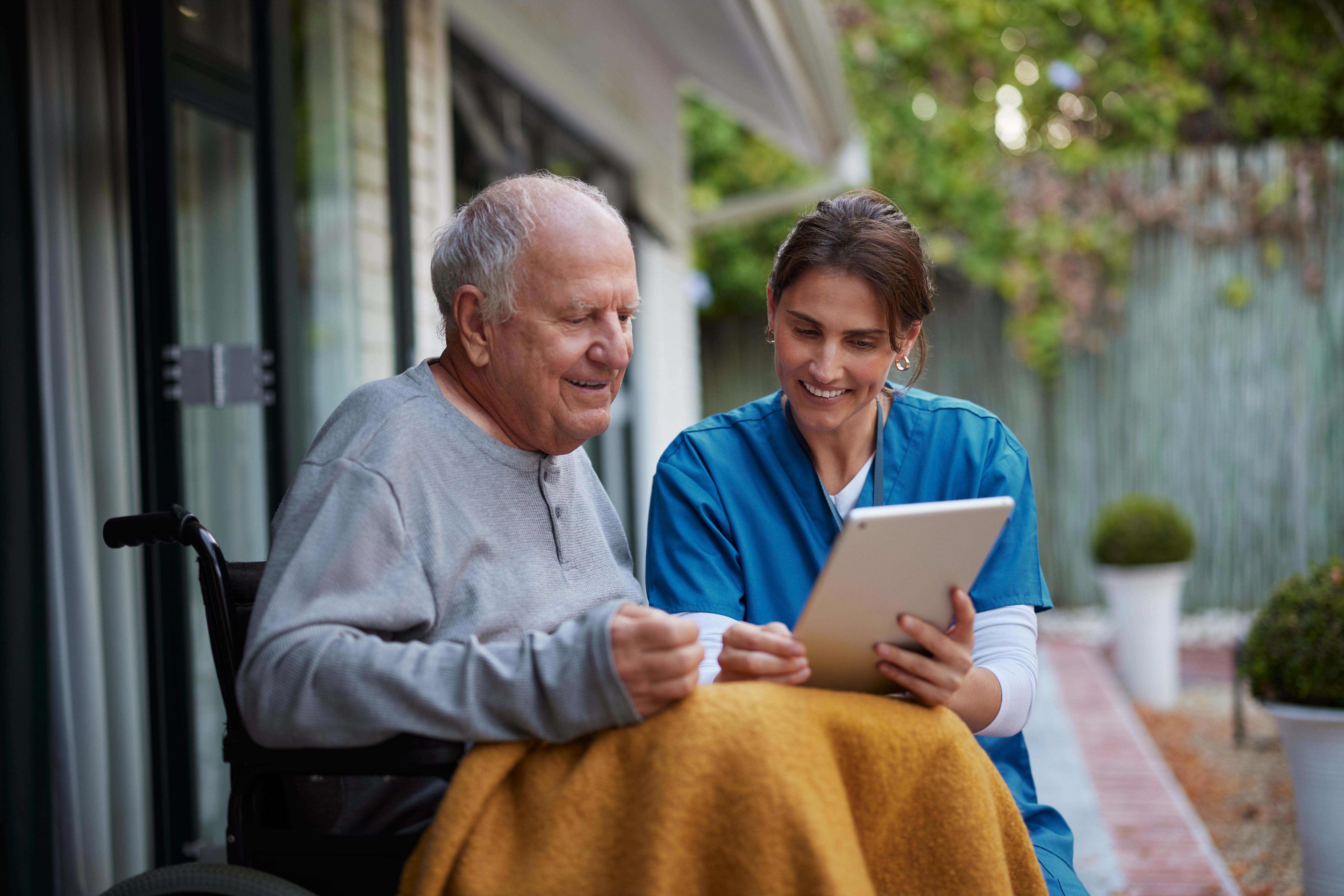
Moreover, virtual consultations have led to improved health outcomes. Regular check-ins and the ability to address concerns promptly have resulted in better disease management and reduced hospitalizations.
Challenges and Future Prospects
Despite the remarkable success, the transition to virtual consultations was not without challenges. Technical issues, initial resistance from caregivers unfamiliar with technology, and ensuring data privacy were some hurdles that needed to be addressed.
Looking ahead, the future of virtual caregiver consultations in Rochester appears promising. Continuous advancements in technology and increased awareness among caregivers are expected to enhance the effectiveness and reach of these services.
Conclusion
The case study of virtual caregiver consultations in Rochester illustrates a successful integration of technology in healthcare. By overcoming challenges and focusing on user-friendly solutions, these consultations have set a precedent for other regions. As the healthcare industry continues to evolve, virtual consultations will likely play an integral role in supporting caregivers and improving patient outcomes.