
Debunking Common Myths About In-Home Caregiver Services


Understanding In-Home Caregiver Services
In-home caregiver services are an essential support system for many families, yet they are often misunderstood. These services provide personalized care and assistance to individuals in the comfort of their own homes. Despite their growing popularity, several myths persist about their functionality and benefits.
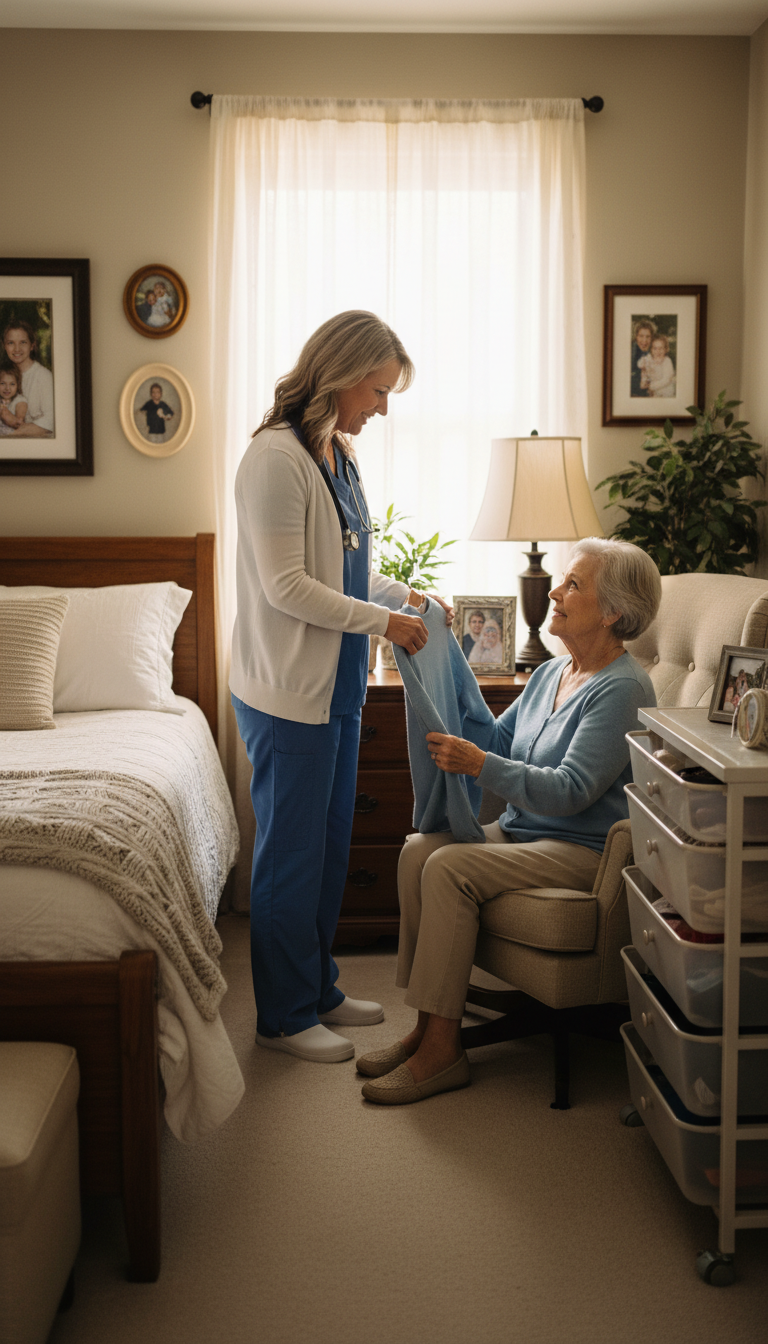
Myth 1: In-Home Care Is Only for the Elderly
One common misconception is that in-home care is solely for the elderly. While seniors make up a large portion of those who benefit, these services are also invaluable for individuals recovering from surgery, those with disabilities, and even new mothers needing extra help. The versatility of in-home care allows for a wide range of support tailored to individual needs.
Myth 2: Professional Caregivers Are Not Qualified
Another myth is that in-home caregivers lack proper qualifications. In reality, professional caregivers often undergo rigorous training and certification. They are skilled in providing medical and non-medical support, ensuring clients receive the highest quality of care. Many caregivers have specialized training in areas like dementia care, first aid, and personal hygiene assistance.

Addressing Financial Concerns
Myth 3: In-Home Care Is Too Expensive
Cost is a significant concern for many families considering in-home care. However, when compared to the expenses of assisted living facilities or nursing homes, in-home care can be more affordable. Additionally, many insurance plans and government programs offer financial assistance to help cover these costs, making it accessible to more families.
Myth 4: Insurance Does Not Cover In-Home Care
Contrary to popular belief, several insurance policies do provide coverage for in-home care services. Long-term care insurance, Medicare, and Medicaid may offer varying degrees of support, depending on the individual's situation and needs. It's important to review specific policy details to understand the available benefits.

Quality and Personalization of Care
Myth 5: In-Home Care Lacks Personalization
Some people believe that in-home care does not offer personalized services. On the contrary, one of the greatest advantages of in-home care is its ability to tailor services to each individual's unique needs and preferences. Care plans are developed in collaboration with families to ensure comprehensive and customized support.
Myth 6: Caregivers Intrude on Privacy
The idea that caregivers invade personal space is another myth. Professional caregivers are trained to respect privacy and maintain a supportive environment. They focus on fostering independence while providing necessary assistance, ensuring clients feel comfortable and secure in their own homes.
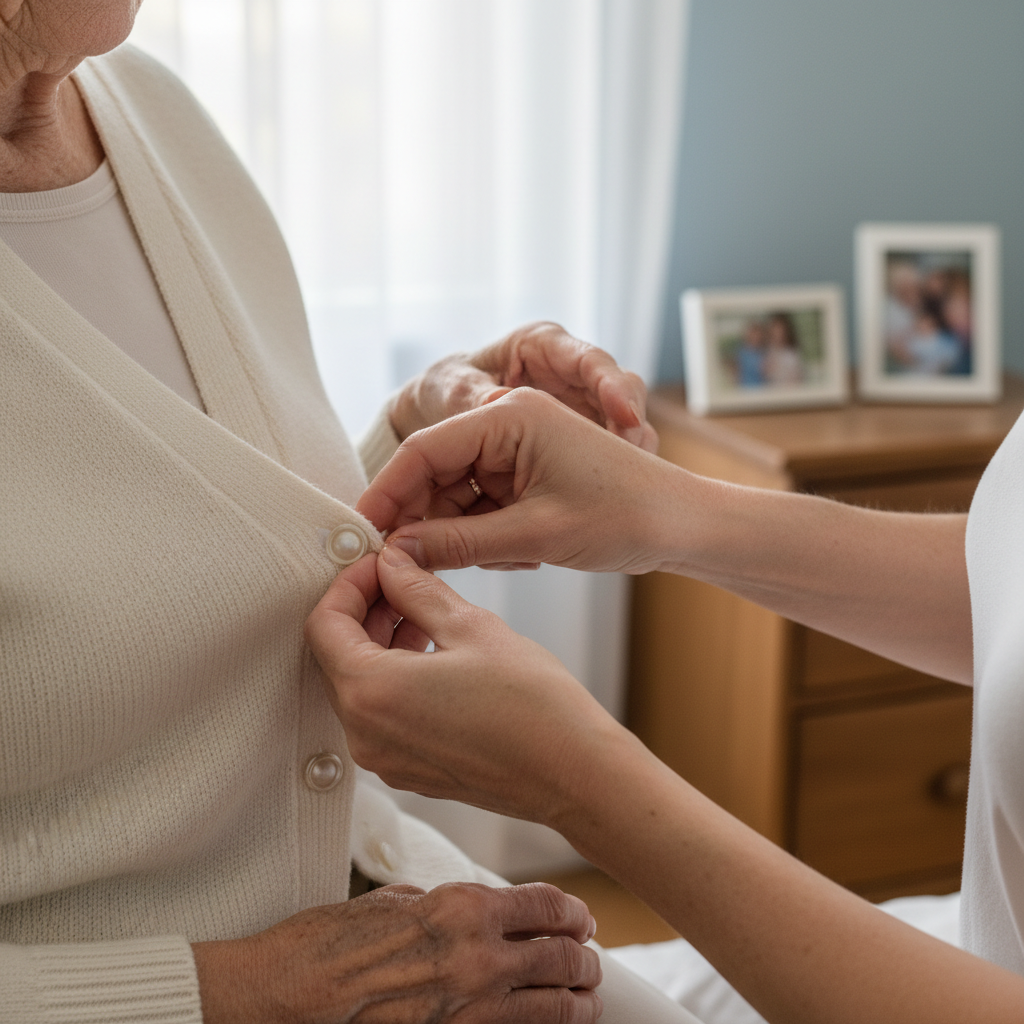
By debunking these myths, we can gain a clearer understanding of the value and benefits of in-home caregiver services. Whether for short-term recovery or long-term support, these services provide a lifeline for many, enhancing quality of life and promoting independence.