
Expert Advice: What to Look for in a Caregiver for In-Home Services


Understanding the Role of a Caregiver
Choosing a caregiver for in-home services is a significant decision that requires careful consideration. A caregiver's role is not just about providing medical or physical assistance; it involves emotional support and companionship as well. The right caregiver can make a substantial difference in the quality of life for your loved one.

Professional Qualifications and Experience
When selecting a caregiver, it's essential to look into their professional qualifications and experience. A caregiver should have relevant training, certifications, and experience in providing care for individuals with specific needs. Consider asking about their experience with particular medical conditions and their ability to perform necessary tasks.
Compassion and Patience
Beyond professional skills, a caregiver should possess qualities such as compassion and patience. These traits are crucial for building a trusting relationship with the person they are caring for. A compassionate caregiver can provide emotional support and create a comfortable environment for your loved one.

Communication Skills
Effective communication between the caregiver, the person receiving care, and family members is vital. A caregiver should be able to understand and respond to the needs of your loved one. They must also keep family members informed about any changes in condition or care requirements.
Flexibility and Adaptability
Each day can present new challenges, and a good caregiver should be flexible and adaptable. They need to handle unexpected situations calmly and adjust their approach as needs change. This adaptability is key to providing consistent and effective care.
Background Checks and References
Conducting thorough background checks and seeking references is a critical step in the selection process. This helps ensure the caregiver has a clean record and positive feedback from previous clients or employers. Don’t hesitate to ask for references and contact them to gain insights into the caregiver's reliability and work ethic.
Personalized Care Plans
A caregiver should be willing to tailor their services to meet specific needs. Discussing and developing a personalized care plan can help ensure that all required services are provided and that the caregiver understands the expectations and goals of care.
Trial Period and Ongoing Assessment
Consider implementing a trial period to assess the caregiver’s compatibility with your loved one. During this time, monitor their performance and interaction. Regular assessments and feedback can help maintain the quality of care and address any issues promptly.
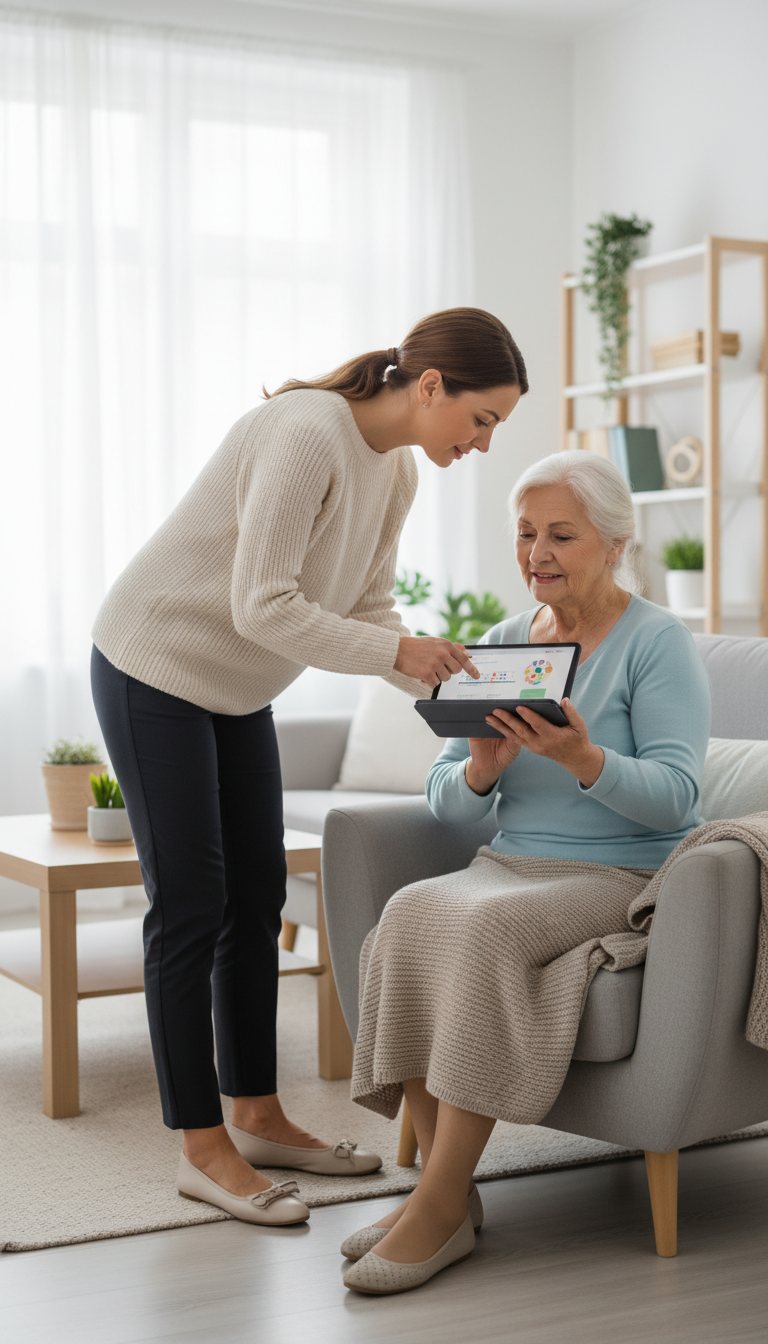
Finding the right caregiver for in-home services involves evaluating both professional qualifications and personal qualities. By taking the time to choose the right person, you can ensure your loved one receives the care and companionship they need to thrive.