
Preparing Your Home for Winter: Safety Tips for Seniors


Inspect and Maintain Heating Systems
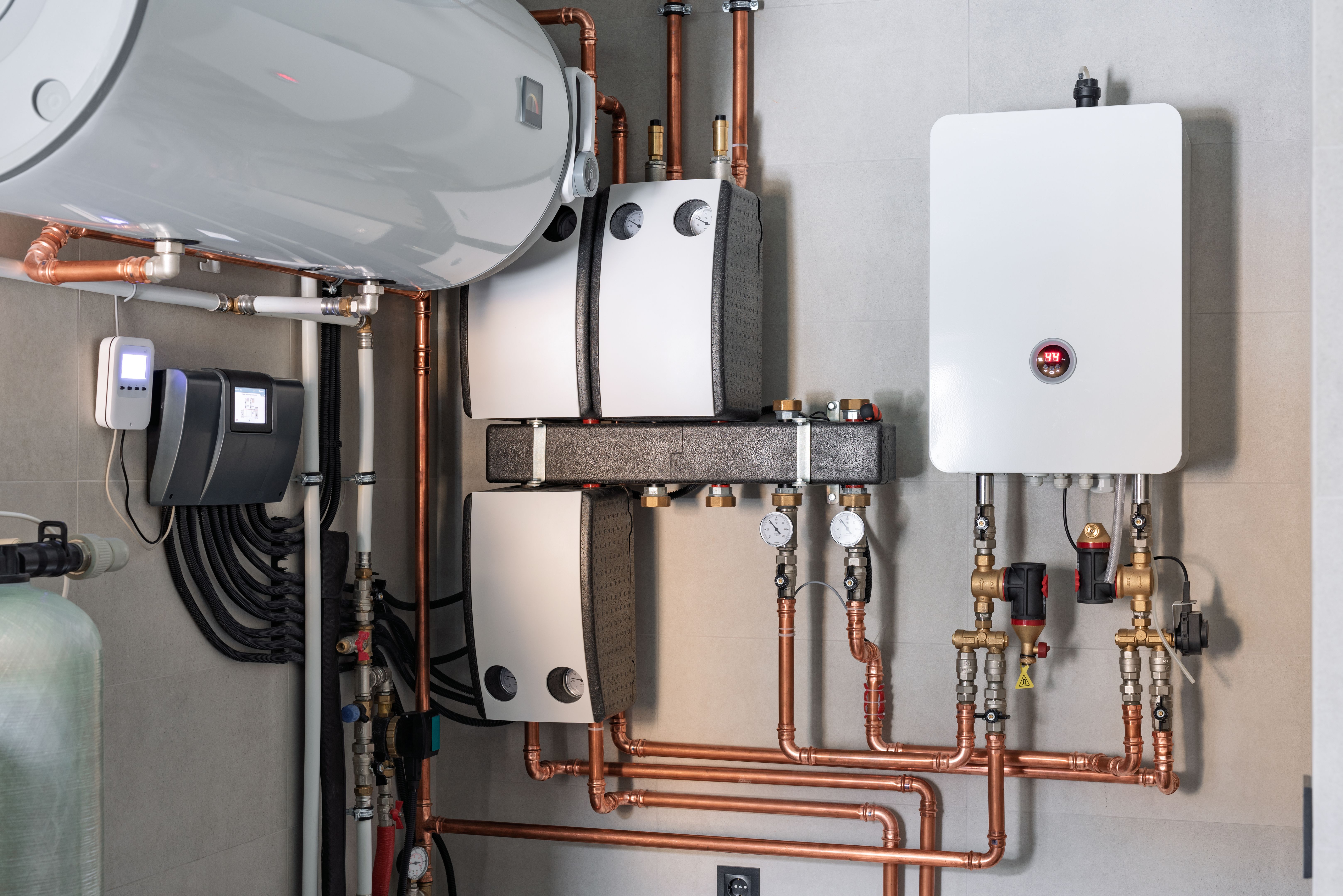
As the temperature drops, ensuring your heating system is functioning properly is crucial for comfort and safety. Consider having a professional inspect your furnace or boiler to ensure it’s in good working condition. This can help prevent breakdowns during the coldest months.
Don’t forget to check your home’s insulation and weather stripping around doors and windows. Proper insulation can significantly reduce heating costs and keep your home warmer. Inadequate insulation can lead to drafts and increased energy bills.
Fireplace and Chimney Safety
If you use a fireplace, ensure the chimney is clean and free of obstructions. Creosote buildup can lead to dangerous chimney fires. Hiring a professional to clean and inspect your chimney can prevent these hazards. Also, make sure the flue is open before lighting a fire to allow smoke to escape.
Keep flammable materials away from the fireplace, and always use a screen to prevent sparks from escaping. It’s also wise to have a fire extinguisher nearby and to ensure smoke detectors are functioning properly.
Preventing Slips and Falls
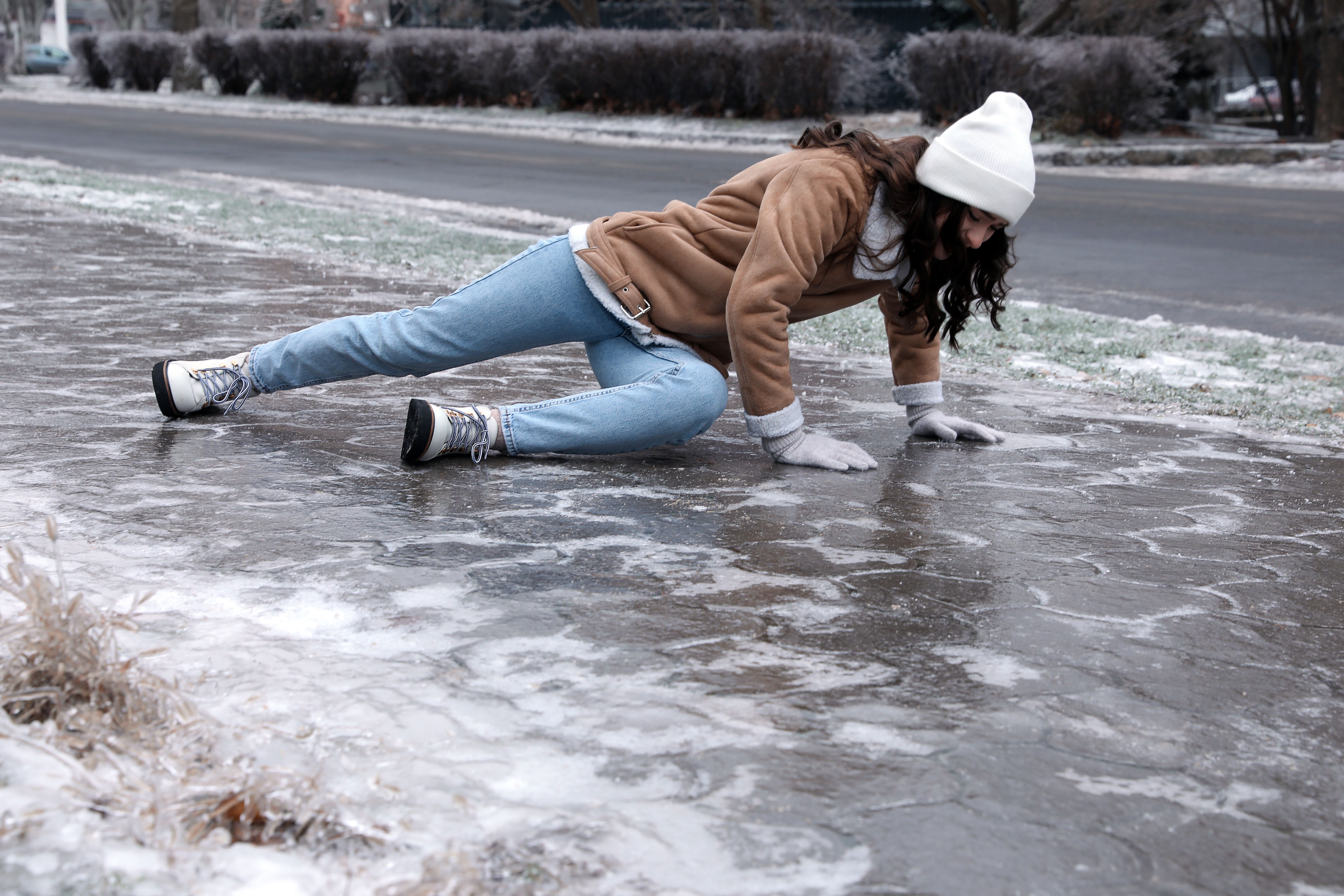
Slippery sidewalks and driveways can pose a significant risk, especially for seniors. To mitigate these dangers, regularly clear snow and ice, and consider using salt or sand to provide traction. Investing in a sturdy pair of non-slip boots can also be beneficial.
Inside the home, make sure to remove or secure throw rugs that might cause tripping. Install handrails on staircases and in bathrooms to provide additional support. Proper lighting in all areas of the home can also help prevent falls.
Emergency Preparedness
Winter storms can sometimes lead to power outages. Preparing an emergency kit can ensure safety and comfort during these times. Include essentials such as flashlights, batteries, non-perishable food, water, and any necessary medications.
It’s also a good idea to have a list of emergency contacts readily available. Make sure your cell phone is charged and have a backup charging method in case of extended outages. Staying informed about weather conditions through a reliable source can also help you prepare for severe weather events.
Checking Carbon Monoxide Detectors
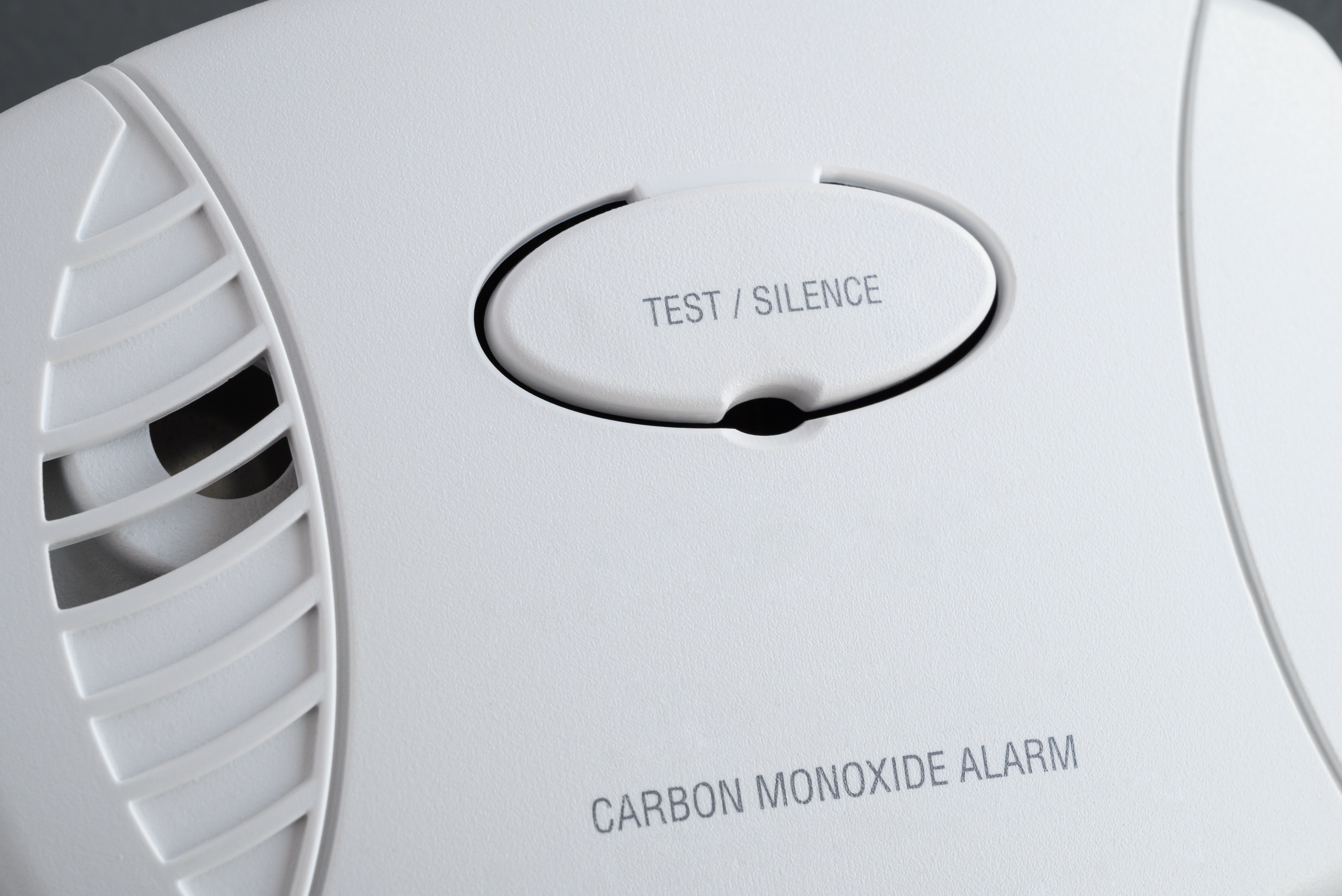
Carbon monoxide is a silent danger that becomes more prevalent during the winter months when heating systems are in use. Ensure that carbon monoxide detectors are installed and functioning properly in your home. Test them regularly and replace batteries as needed.
It’s essential to be aware of the symptoms of carbon monoxide poisoning, which include headache, dizziness, and nausea. If you suspect a leak, seek fresh air immediately and contact emergency services.
Hydration and Nutrition
Staying hydrated and maintaining a balanced diet can sometimes be overlooked during the winter months. Encourage seniors to drink plenty of water and consume a diet rich in fruits, vegetables, and lean proteins to support overall health.
Warm soups and stews can be comforting and nutritious options during the colder months. Ensuring easy access to healthy meals can also prevent unnecessary trips outside in bad weather.